Green Homes in Bangalore: Why They Cost Less to Live In and Are Worth More
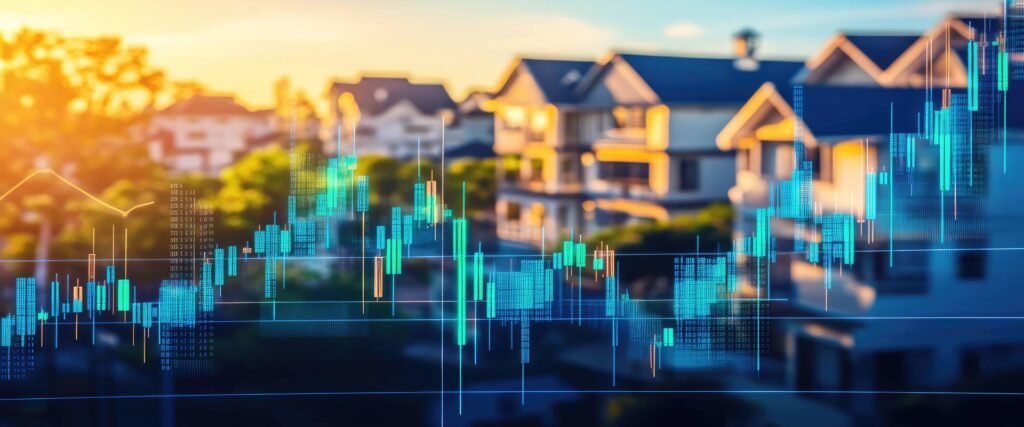
A few years ago, “green home” sounded like a brochure word something you put on a banner. That has changed. When buyers walk through our projects today, the questions are sharper and more practical: What will this home cost me to run every month? Will it still feel relevant ten years from now? And will the next buyer pay more for it? Those are the right questions to ask, and the honest answer leads to the same place: a well-built green home is no longer a premium add-on. In 2026, it has become the sensible baseline.
This is a shift the whole market is feeling. In its 2026 outlook, Colliers India noted that homebuyers are increasingly prioritising lifestyle- and sustainability-led housing, with demand for energy-efficient, wellness-focused homes set to keep rising. So let me walk you through what a green home actually is, why it matters now, what you genuinely gain from living in one and how we think about it at Ruchira.
What exactly is a green home?
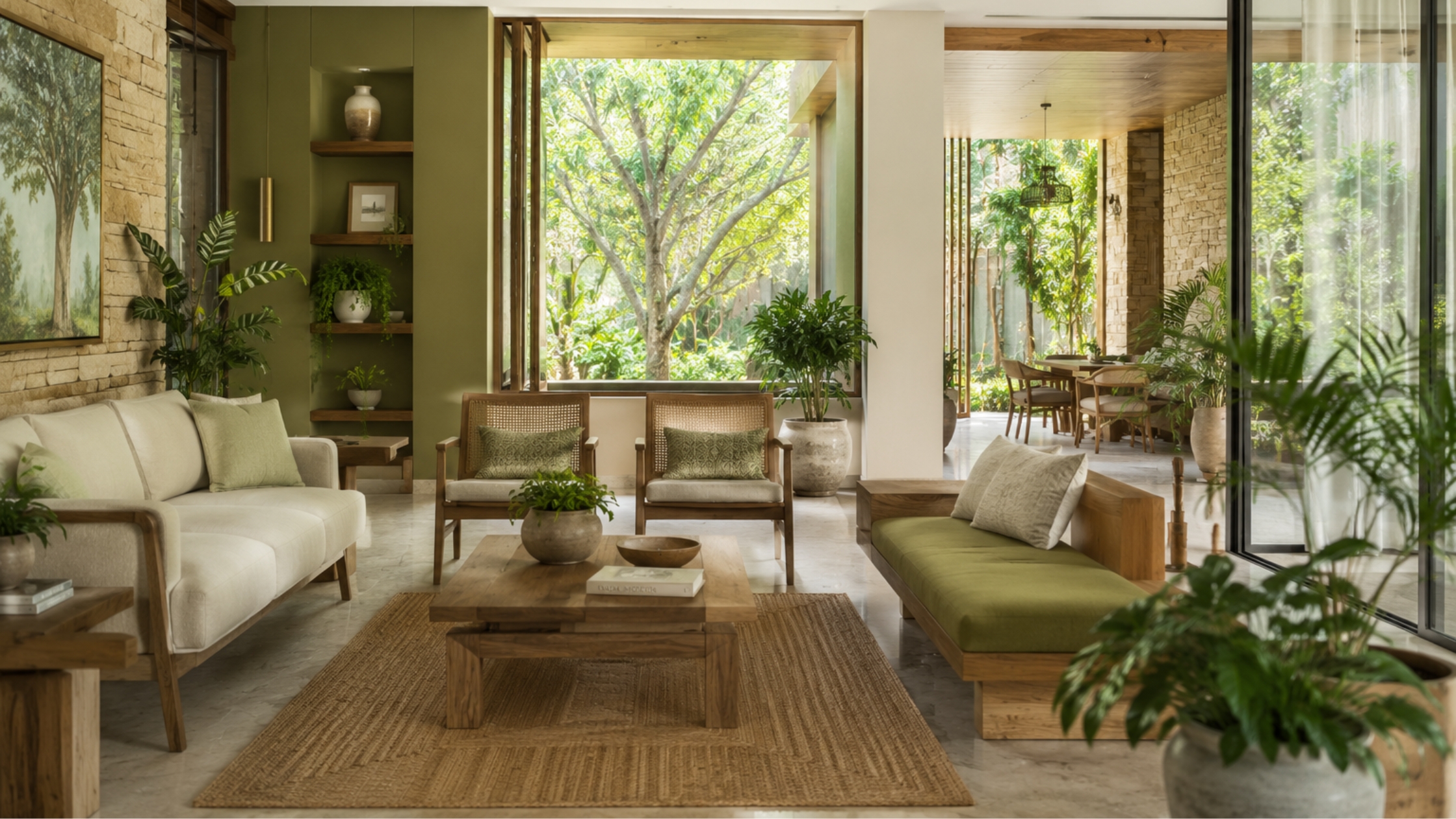
A green home is a house designed and built to use less energy and water, create healthier indoor air, and reduce its impact on the environment without asking you to compromise on comfort. In practice that means thoughtful orientation for natural light and cross-ventilation, efficient fixtures and appliances, rainwater harvesting, solar power, waste and water recycling, and materials chosen for durability and lower environmental cost.
In India, the clearest benchmark for this is certification from the Indian Green Building Council (IGBC), set up by the Confederation of Indian Industry in 2001. An IGBC rating is, in plain terms, an independent stamp confirming that a home truly performs on energy, water, and indoor health, not just on paper.
Why green homes matter now, not “someday”
The urgency is structural, not sentimental. Buildings already account for roughly 30% of India’s energy consumption, and that share is projected to climb to nearly half by the early 2040s as our cities grow. Every home built conventionally today locks in decades of higher running costs and emissions. Every home built well does the opposite.
For a city like Bangalore, two pressures make this personal. The first is water. Anyone who has lived through a Bengaluru summer knows how quickly water security moves from “nice to have” to non-negotiable.
The second is electricity costs, which only move in one direction over time. A home designed to need less of both isn’t an environmental gesture; it’s a hedge against the two bills that quietly compound year after year.
The policy direction reinforces it. Central programmes such as the PM Surya Ghar rooftop-solar scheme, alongside state-level fast-track approvals and incentives for certified green projects, are steadily tilting the ground toward sustainable construction. Buyers are reading the same signals which is exactly why this preference is becoming mainstream rather than niche.
The real advantages of living in a green home
Here is what you actually gain beyond the feel-good factor.
1. Lower monthly bills
Certified green homes are designed to deliver roughly 20–30% energy savings and 30–50% water savings compared with conventional builds. That is not a one-time discount, it is a recurring reduction in your two largest household utilities, for as long as you live there.
2. A healthier home
Better daylight, real cross-ventilation, and low-emission materials mean cleaner indoor air and less reliance on artificial lighting. In a country where we spend most of our day indoors, the quality of the air you breathe at home is not a small thing.
3. Stronger resale and rental value
This is where the financial logic closes. Because green homes cost less to run and are better positioned for future regulation, they tend to sell faster and face fewer price negotiations. Industry observers note that certified green homes may command a meaningful resale premium over comparable conventional homes a buyer five years from now will be asking exactly the questions buyers are already asking today.
4. Future-proofing
Regulations tighten, energy gets dearer, and buyer expectations rise. A green home is built for that direction of travel, not against it. The features that feel optional today solar, water recycling, EV-ready parking are quietly becoming the features the market expects.
What IGBC certification actually tells you
If you remember one practical takeaway from this article, make it this question to ask any developer: “Is this project IGBC-certified, and at what rating?”
The rating matters because it is verified by an independent body against a structured framework covering sustainable site planning, water efficiency, energy efficiency, materials, and indoor environmental quality. It separates homes that are genuinely built green from homes that merely use the word. The cost of certification is borne by the developer, so for you as a buyer it is simply a clean, third-party signal of how the home will actually perform.
Why Ruchira builds towards green
Our tagline is “Rooted in You” and rootedness, for us, has always meant building homes that hold up over a lifetime, not just at handover. Sustainability isn’t a marketing layer we added; it follows naturally from that idea. A home that wastes less, breathes better, and costs less to run is simply a better home to live in for twenty years.
You can see this thinking most clearly at Ruchira Villa Feliz, our community of standalone 4 and 5 BHK villas on Sarjapur Road. Designed as IGBC green homes, Villa Feliz brings these principles into low-density villa living orientation and openness that make the most of natural light and airflow, water-conscious systems suited to Bangalore’s realities, and the kind of build quality that lets a home age gracefully. For a standalone villa, where you own both the structure and the land around it, these choices compound especially well over time.
We take the same approach across our portfolio rather than treating green as a feature reserved for one project. The goal is consistency: homes that are good for the people who live in them, and good for the place they’re built in.
Are green homes worth it in 2026?
Yes and the case is stronger now than it has ever been. Any modest premium at purchase is offset over time by lower energy and water bills, better health outcomes, and resale value that holds up as buyer expectations rise. In a 2026 market where sustainability has shifted from a brochure line to a genuine value driver, a well-built, certified green home is one of the few choices that pays you back in both lifestyle and rupees.
If you’re weighing your options on Sarjapur Road, I’d simply suggest visiting and asking the practical questions about the certification, the water systems, and the running costs. A good green home will have good answers. We’d be glad to show you ours at Villa Feliz.
Frequently asked questions about green homes
What is a green home?
A green home is a residence designed to use less energy and water, provide healthier indoor air, and reduce environmental impact through features like natural light, ventilation, solar power, rainwater harvesting, and efficient materials. In India, IGBC certification is the standard benchmark for verifying these claims.
Are green homes more expensive to buy?
They can carry a modest premium at purchase, but this is typically offset over time by significantly lower energy and water bills and stronger resale value. Many buyers find the total cost of ownership is lower than a comparable conventional home.
How much can a green home save on utility bills?
Certified green homes are designed to deliver roughly 20–30% savings on energy and 30–50% savings on water compared with conventional homes recurring savings for as long as you live there.
Do green homes have higher resale value?
Generally, yes. Because they cost less to run and are better prepared for future regulation, green homes tend to sell faster, face fewer price negotiations, and may command a resale premium over comparable conventional homes.
What is IGBC certification?
IGBC (Indian Green Building Council) certification is an independent rating that verifies a building genuinely performs on water efficiency, energy efficiency, materials, and indoor environmental quality. The rating level such as Gold or Platinum indicates how high the home performs.
Where can I find green villas in Bangalore?
Ruchira Villa Feliz on Sarjapur Road offers standalone 4 and 5 BHK villas designed as IGBC green homes, combining low-density villa living with energy- and water-efficient design. You can learn more at ruchiravillafeliz.in.